



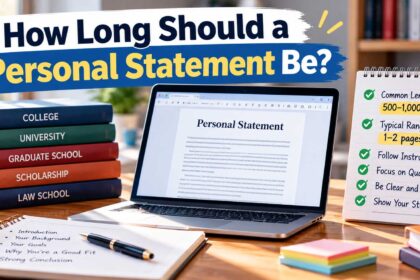
You’ve started writing your personal statement, but now you’re wondering whether it’s too short or too long. So, how long should a personal statement be? For many college application...

If you’re considering a legal career, you may wonder, how long does it take to become a lawyer? In the United States, the traditional pathway usually takes about seven years of education after h...
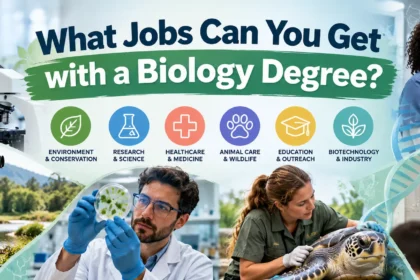
If you enjoy science but are unsure where your major can take you, you may be wondering what jobs can you get with a biology degree after college. Biology graduates can pursue careers in laboratories,...

A full day of classes can be tiring enough, but then homework, tests, projects, activities, and tomorrow’s responsibilities are still waiting. So, why is school so stressful for many students? U...
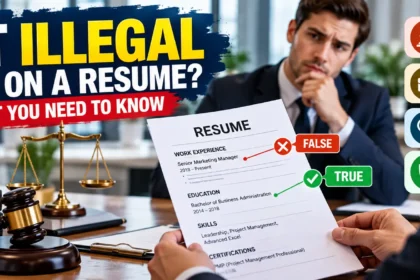
Is it illegal to lie on a resume? In the United States, there is no single rule that makes every inaccurate statement on an ordinary private-sector resume a crime. However, certain false statements ca...

If you are the first person in your family to attend college, you may wonder, what is a first generation college student, and does that description apply to you? Generally, a first-generation college ...
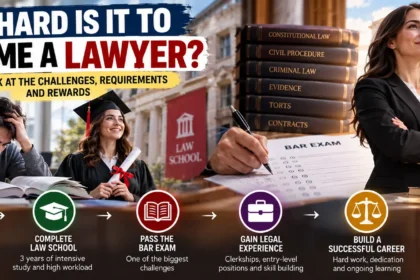
If you are considering law as a career, you may be wondering, how hard is it to become a lawyer? The short answer is that becoming a lawyer is challenging, but it is achievable for students who can ha...

If you are thinking about nursing, you may wonder, is it hard to become a nurse? The short answer is yes, becoming a nurse can be challenging, but the difficulty is manageable for students who prepare...
Paying for medical school can feel complicated because tuition is only one part of the total cost. Students may also need money for housing, books, insurance, transportation, equipment, exam fees, and...
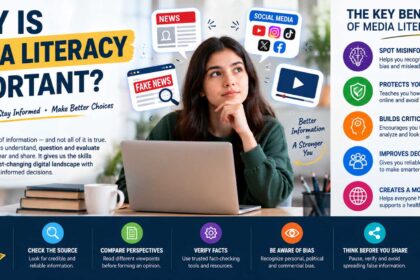
Students encounter information almost everywhere. A news headline appears in a search result, a creator explains a topic in a short video, an advertisement looks like an ordinary post, and an AI tool ...