
Paying for medical school can feel complicated because tuition is only one part of the total cost. Students may also need money for housing, books, insurance, transportation, equipment, exam fees, and...
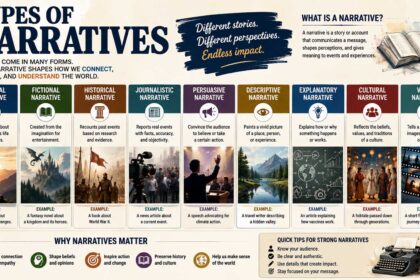
Stories can describe a childhood memory, explain an adventure, follow a character through a conflict, or even pass history from one generation to another. Because stories can work in so many ways, lea...
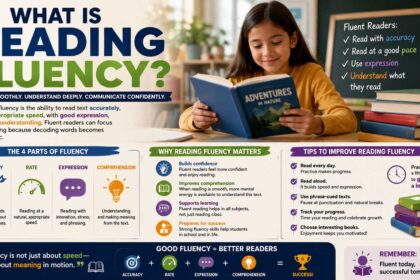
A student may recognize every word on a page yet still read in a slow, choppy way that makes the passage difficult to understand. That difference helps explain what is reading fluency. Reading fluency...
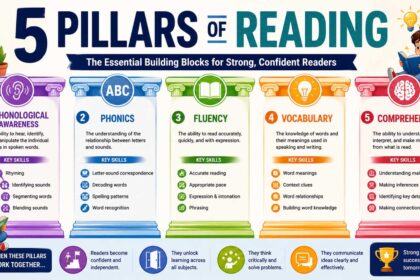
The 5 pillars of reading—phonemic awareness, phonics, fluency, vocabulary, and comprehension—describe five major areas that support successful reading development. Together, they help learners underst...
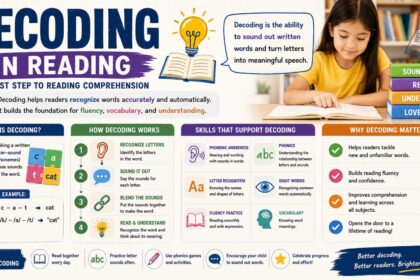
When a beginning reader sees the word “ship” and works out /sh/ /i/ /p/ before saying the whole word, they are using decoding in reading. Simply put, decoding is the process of looking at written lett...
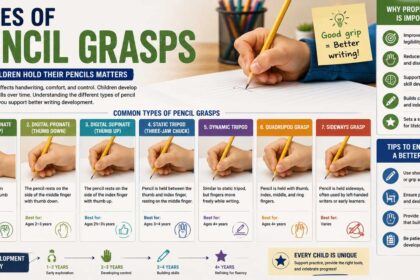
Watch a group of young children draw, and you will probably notice that they hold their pencils in several different ways. These types of pencil grasps often reflect normal stages of fine-motor develo...
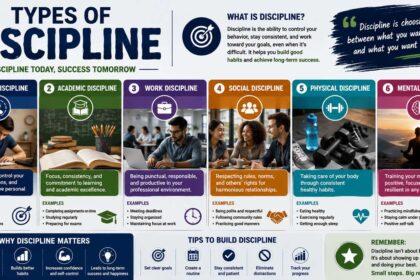
A student repeatedly talks during independent work, a child refuses to follow a household rule, or a teenager misses an agreed deadline. In each situation, adults need a response that teaches rather t...

If you’ve ever wondered about the types of journals available, you’re not alone. The word “journal” can refer to many different things, from personal notebooks used for daily r...

Learning a new language is one of the best investments you can make, and the benefits of learning Spanish go far beyond memorizing vocabulary. Spanish is spoken by hundreds of millions of people aroun...
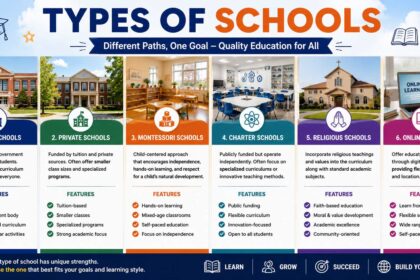
Choosing the right school is one of the biggest educational decisions a student or family can make. Understanding the different types of schools helps you find an environment that matches your learnin...